Healthier air from the ground up.
Sub-slab suction, sealing and ventilation reduce radon and ground vapor entering a home through the foundation.
- Timeline: A day
- Parts: Suction pipe, fan, sealing
- Verify: Retest after install
What it is, and why it matters.
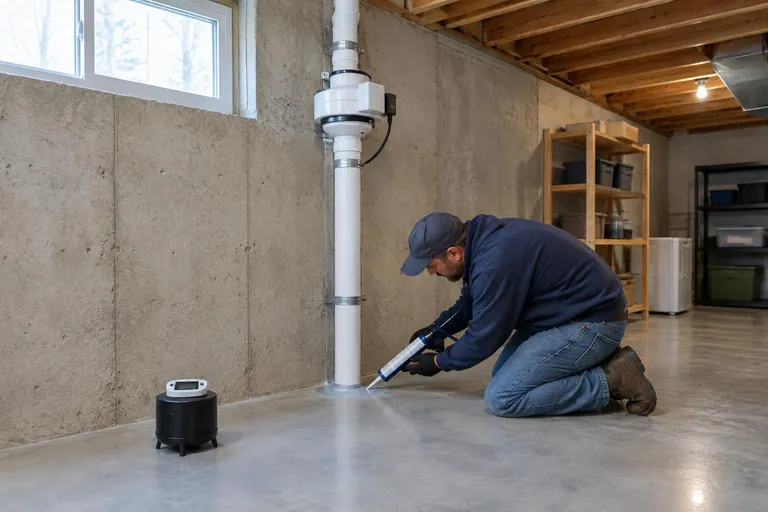
Radon is a radioactive gas that can seep from the ground into homes through cracks and gaps. Parts of Tennessee have elevated levels, and the only way to know is to test.
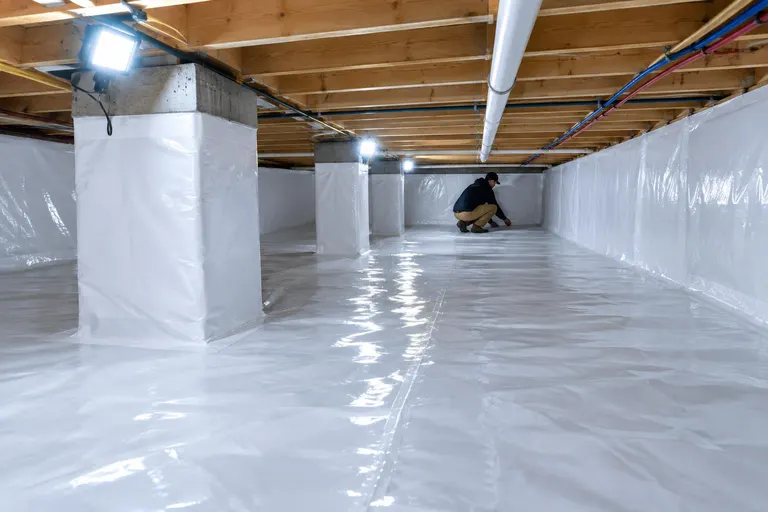
Mitigation uses a pipe through the slab or a membrane in the crawl space, a quiet fan and sealing of cracks, followed by a retest to confirm the result.
Four things done right.
Tested and proven
A retest confirms the reduction.
Quiet systems
Fans run softly on the outside or attic.
Sealed foundation
Cracks and gaps are closed.
Fits the foundation
Slab, basement or crawl space methods.
From first call to radon and vapor mitigation.
- 01
Test
A radon test shows the level.
- 02
Design
Suction points and fan location are planned.
- 03
Install
Pipe, fan and sealing are completed.
- 04
Retest
A new test confirms the result.
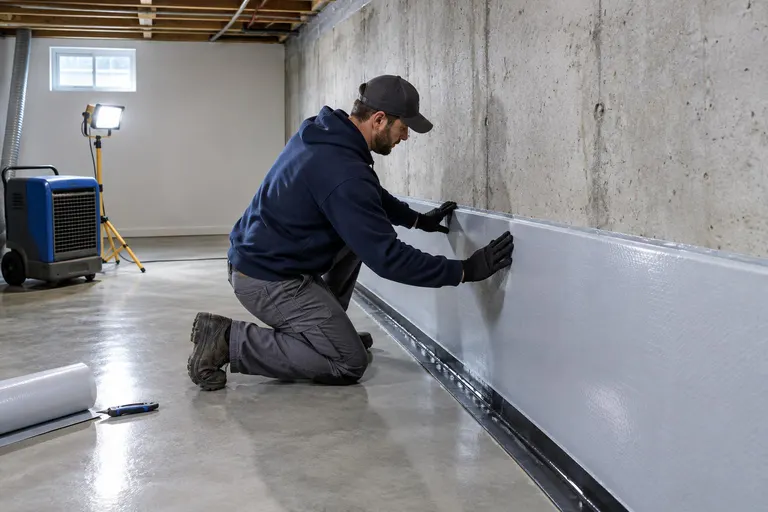
Radon and Vapor Mitigation across Tennessee.
We do this work in 58 cities, from Memphis and Jackson to Nashville, Knoxville, Chattanooga and the Tri-Cities.
Radon and Vapor Mitigation: common questions
Should I test for radon?
Health agencies recommend testing every home, since the level cannot be guessed. If the result is high, mitigation can reduce it.
Does mitigation work in a crawl space?
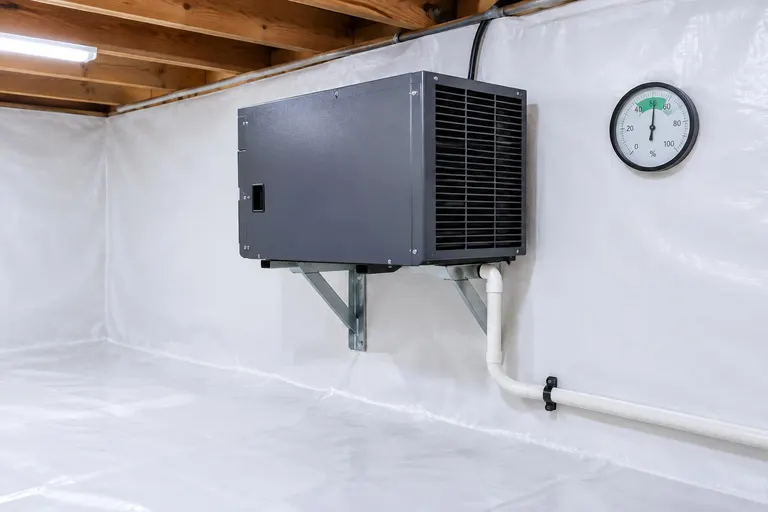
Yes, with a sealed membrane and suction beneath it, often combined with encapsulation.
How do I get a price for radon and vapor mitigation?
Fill in the form or call or text 615-209-7643. We confirm what is involved and send a written price, and most properties get a free estimate visit.
Ready to talk about radon and vapor mitigation?
A short visit and a written price. A real person calls back, usually the same day.